
28+ reviews
  • 4.3
228+ reviews

Hidden Brake Wear: Why It Matters and How to Catch It Before It Costs You

  • April 3, 2026
  • Brake repair & service

Brake wear: the danger you don't see

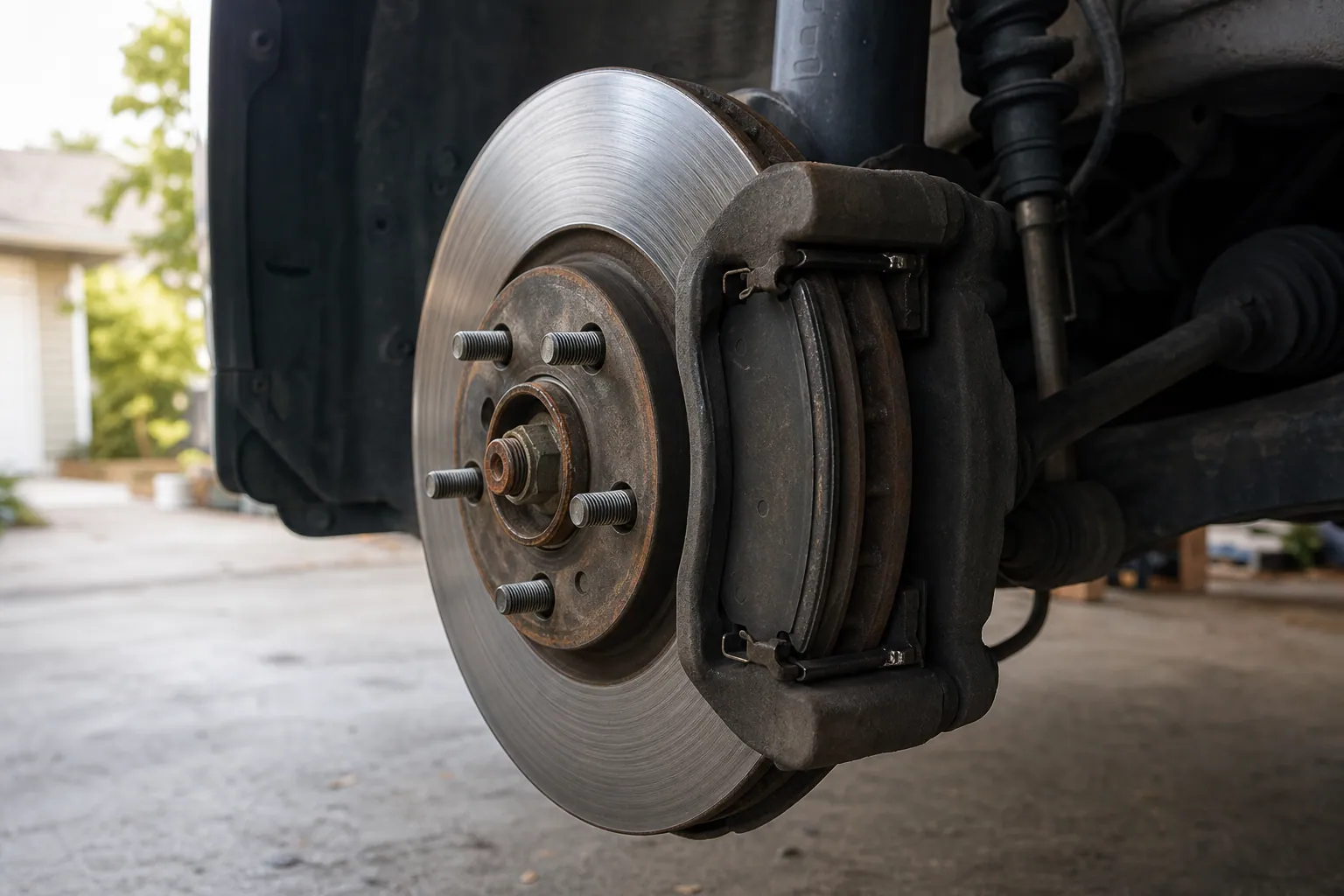
When people hear "brake trouble", most picture a dramatic squeal at a stoplight. But the costliest brake problems are the slow, hidden ones building up between inspections. They score your rotors, ruin calipers, lengthen your stopping distance, and quietly turn a cheap pad replacement into a major repair. We encounter them in American homes more often than you might think – and the cost of ignoring them only grows the longer they go unnoticed.

Where hidden brake wear usually starts

The cause is usually simple: wear and mileage.

  • In winter, cold temperatures thicken fluids and strain brakes and batteries.
  • Year-round, worn brake pads and aging fluid quietly reduce stopping power.
  • The most common culprit is worn pads or low brake fluid.

Brake wear tends to hide in pads and rotors, while engine faults pop up as warning lights and rough idling. The worst problems build up inside the transmission and deep in the engine.

Why hidden brake wear is hard to spot on your own

Online you will find hundreds of tips and "quick fixes" – from auto-parts-store sensor cleaners to resetting the light yourself. Most of the time they hold only briefly, or not at all. A warning light is a symptom, and clearing the code rarely solves the underlying fault. Worse, a botched DIY repair can turn a minor issue into a major breakdown while you're miles from home.

What a professional brake repair involves

Certified mechanics combine several steps:

  • computer diagnostics – scan tools and live data to find the source without guesswork,
  • targeted part repair or replacement,
  • performance checks – verifying everything works correctly after the repair,
  • preventive advice – recommendations on how to protect your vehicle long-term.

The result is not just a quick reset, but a complete, lasting fix to the problem.

Tips on how to reduce the risk of brake wear

  • Check your tire pressure and fluid levels once a month.
  • Replace your wiper blades and air filter every year or so.
  • Check your battery and coolant before winter hits.
  • Watch your dashboard — a warning light often means a developing problem.
  • Regularly check your brakes, tires and fluid levels.

When to call the professionals

If you feel a soft brake pedal, hear grinding or squealing, notice your car pulling to one side or see a warning light, it is time to act. Brake wear builds up extremely fast, and a simple pad replacement can become a major repair within just a few weeks.

Latest articles

Dealing with a car problem?

We'll fix your vehicle quickly, safely and effectively. Just arrange a free no-obligation estimate – we'll take care of the rest.
Looking for a shop to help you with auto repair of all kinds?
All Rights Reserved © Acme Auto Repair .